
Deep Dive
来自我们记者的行业洞察
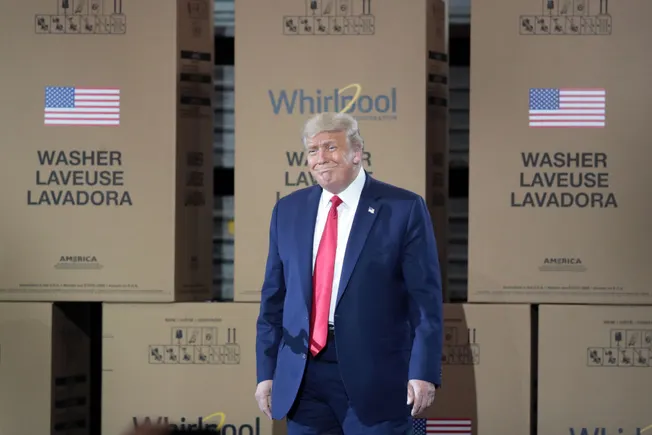
Trump’s tariffs aim to reverse decades of industry decline. Will they succeed?
President Trump has repeatedly claimed that tariffs will revitalize American manufacturing, attract large-scale investment, and create jobs. Recently, giants like Hyundai Motor and TSMC have announced massive investment plans, but small and medium-sized enterprises are taking a wait-and-see approach due to policy uncertainty. Economists point out that manufacturing's share of GDP has been declining for a long time, and whether tariffs can reverse this trend remains to be seen.

Trump’s immigration enforcement against employers has been gradual. That may soon change.
Employer-side immigration attorneys note that while federal immigration authorities' enforcement intensity is gradually increasing, the slow pace has not reduced the need for employers to remain vigilant. The large-scale workplace enforcement promised by the Trump administration before taking office has not yet been fully implemented, and recent ICE raids have mostly targeted small entities, such as construction sites in Louisiana and a market in Philadelphia. However, human resources departments need to prepare for an increase in I-9 audits. ICE's strategy remains opaque, with some attorneys revealing that it may set inspection quotas and plan to expand audit capabilities. Employers face triple concerns of civil fines, criminal risks, and operational impacts, with electronic I-9 system compliance becoming a new focus. Experts advise companies to conduct internal audits in advance, train employees, and consider joining E-Verify.
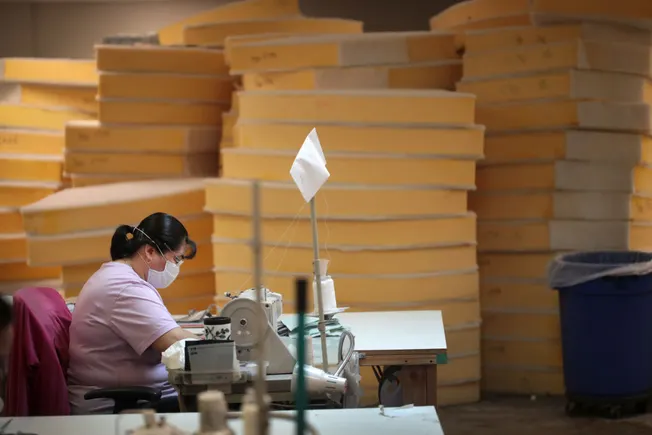
How COVID-19 changed US manufacturing: 5 years later
Five years after the outbreak of the COVID-19 pandemic, U.S. manufacturing has experienced dramatic fluctuations from production halts to recovery rebounds. Based on labor data and corporate interviews, this article examines how the pandemic has reshaped supply chain management, driven the transformation of smart manufacturing, and changed the employment landscape in the manufacturing sector.

Rising waters: How manufacturers should approach flood preparation
In the aftermath of Hurricane Sandy, flood risk has shifted from a peripheral issue to a real challenge that the manufacturing industry must confront. This article integrates professional insights from organizations and companies such as Moody's, FEMA, JLL, and Western Digital, systematically explaining how manufacturers can reduce the impact of floods on plant operations and finances through risk assessment, engineering protection, insurance configuration, and real-time monitoring.
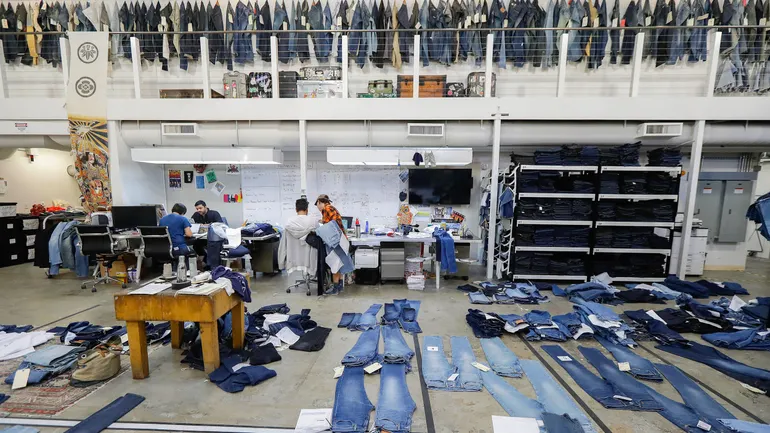
PFAS in manufacturing: Auditing your supply chain for forever chemicals
With rising consumer attention and regulatory pressure, manufacturers are facing the challenge of eliminating PFAS from their supply chains. Based on industry cases and expert advice, this article outlines a six-step audit process from establishing policies and mapping the supply chain to continuous monitoring, and analyzes the potential legal and compliance risks of inaction.

The battle to replace PFAS in firefighting foam
This article is the second in a series on phasing out PFAS in U.S. manufacturing, focusing on firefighting foam. In August, a spill of approximately 1,450 gallons of PFAS-containing firefighting foam in Maine contaminated water sources. Across the nation, 23 states have passed 29 policies restricting or banning AFFF. The Department of Defense faced an October 1, 2024 deadline but failed to fully transition, receiving a one-year extension. Developing alternatives must meet military specifications and is costly, with the GAO estimating that replacing military foam would cost over $2.1 billion.

Are you eating PFAS? The fight to better regulate forever chemicals in food manufacturing
As PFAS detection in food and packaging increases, the U.S. FDA is adjusting its regulatory framework, but environmental groups argue it is insufficient. This article reviews the FDA's authorization classifications, 2024 phase-out progress, regulatory gaps revealed by research, and the tug-of-war between industry and advocates.
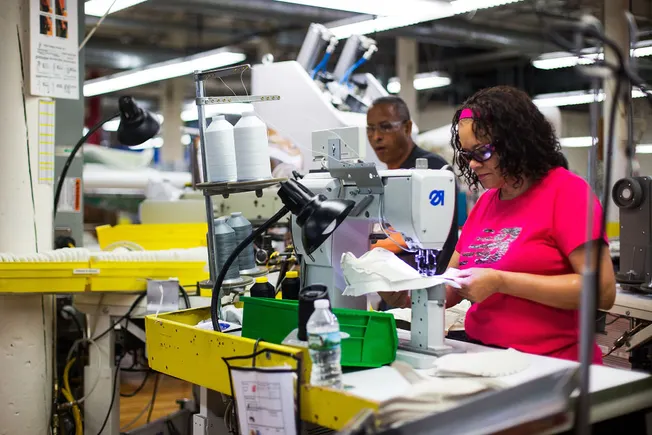
De minimis: Helping or hurting U.S. manufacturers?
The U.S. $800 de minimis policy benefits e-commerce platforms like Temu and Shein and the freight market, but its impact on U.S. manufacturing varies by industry. Complex manufacturers such as automotive parts are barely affected, while low-cost manufacturers like textiles face competitive pressure. Over the past two years, multiple legislative proposals have sought to tighten this provision, with the National Association of Manufacturers supporting its retention and improved enforcement, while textile industry alliances call for its complete elimination. Federal data shows overall industrial output has recovered to pre-pandemic levels, but the long-term decline in the textile industry remains unchanged.

How OSHA’s proposed heat rule could impact manufacturers
The U.S. experienced record-breaking heat in June, and OSHA proposed a new rule on July 2 to protect approximately 36 million workers from extreme heat. If the rule is finalized, manufacturers must establish plant-specific heat prevention plans covering hazard identification, control measures (such as 15-minute rest breaks every two hours at 80 degrees), employee training, and recordkeeping. Experts note that although the rule still requires months and faces election-year challenges, companies should prepare in advance.
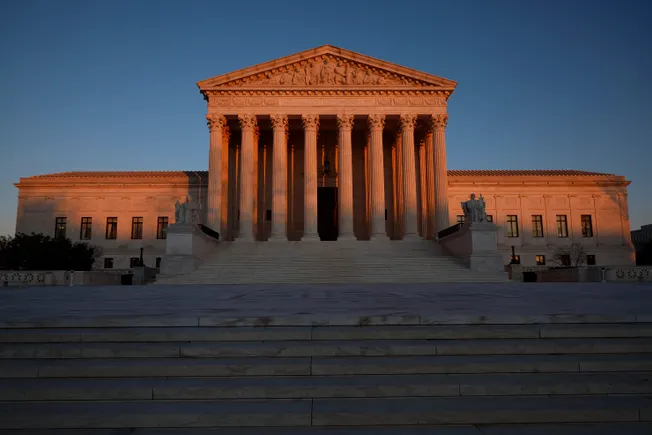
What employers can expect following the end of Chevron deference
After the U.S. Supreme Court overturned the Chevron doctrine on June 28, federal courts quickly applied the new standard. A Texas judge has temporarily blocked the Department of Labor's overtime rule from taking effect for state employees, but the rule still faces multiple challenges. Experts note that several Department of Labor regulations may be re-examined, and employers need to monitor compliance obligations and participate in legislative dialogue.