
Policy
DOJ asks judge to dismiss Oklahoma AG’s aluminum smelter lawsuit
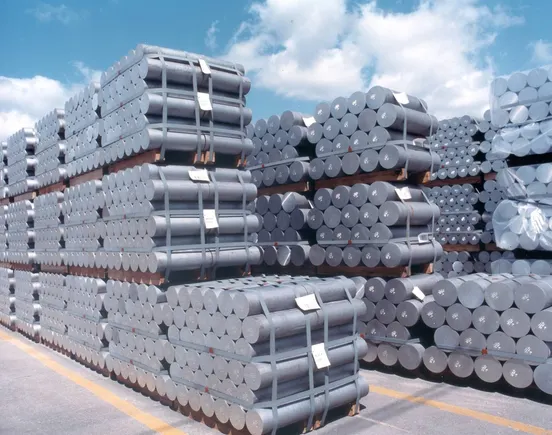
The U.S. Department of Justice filed documents last week requesting that a federal judge dismiss a lawsuit by Oklahoma Attorney General Gentner Drummond that seeks to block construction of a $4 billion primary aluminum smelter in Inola by Emirates Global Aluminum and Century Aluminum. The Justice Department supports the project, stating it contributes to national security and reduces reliance on aluminum imports from China. As of Thursday morning, the judge had not yet ruled. A separate lawsuit filed by a group of local residents also seeks to block the project, alleging that the Department of Energy approved up to $500 million in federal funding without adequate environmental review.
Manufacturing Dive Trendline on Navigating Manufacturing Compliance Trends
Following California's finalization of SB 54 regulations on May 1, CalRecycle issued multiple guidance documents on May 11 to address key producer compliance questions. The guidance covers a producer identification flowchart, the scope of covered materials, submission requirements for food and agricultural packaging exclusion notices, and reiterates the June 1 registration deadline and the June 15 deadline for submitting draft program plans.
DOE proposes $10M for critical minerals research and development
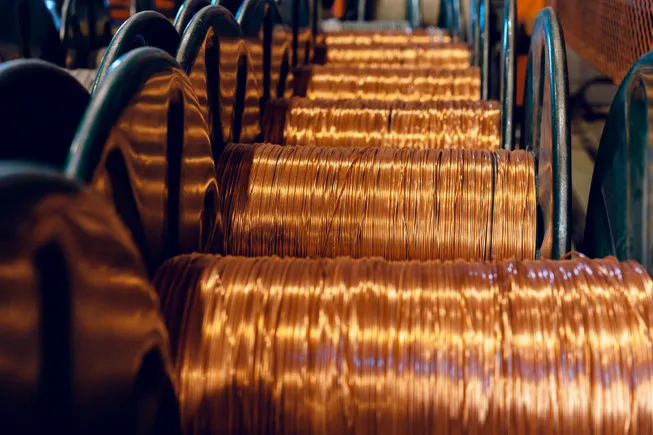
On August 26, the Office of Critical Minerals and Energy Innovation under the U.S. Department of Energy proposed providing a total of $10 million in funding for seven projects, led by the Critical Materials Innovation Center, focusing on early-stage recycling and refining research for critical materials such as heavy rare earths, gallium, and copper. Assistant Secretary Audrey Robertson stated that this move will unlock new production methods and strengthen the domestic supply chain. The projects involve universities, companies, and national laboratories, covering innovative processes such as molten salt electrolysis, bioleaching, and nanobubble leaching. Previously, the Department of Energy had announced $500 million in funding for battery material projects, and the Department of Defense, through its Strategic Capital Office, had signed loan agreements exceeding $2 billion to support related enterprises.
Canada targets US steel and aluminum as part of retaliatory tariffs
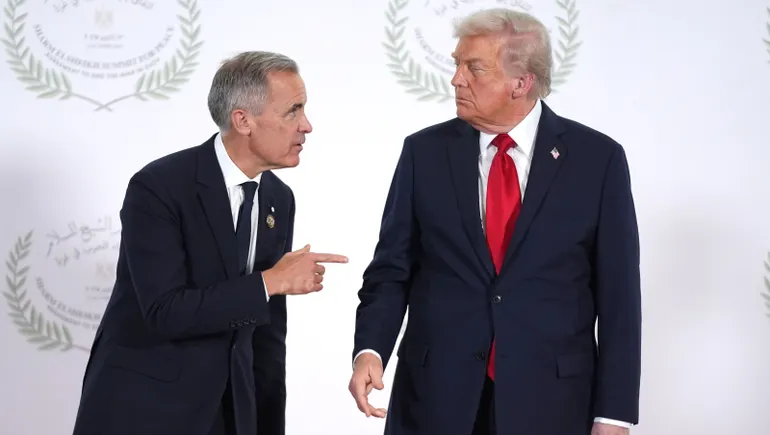
The Canadian government announced on Tuesday that it will impose retaliatory tariffs of up to 50% on a range of U.S. goods, covering hundreds of steel and aluminum products and derivatives, in response to U.S. tariffs implemented under Section 338 of the Trade Act of 1974 and Section 232 of the Trade Expansion Act of 1962. This move surprised metal industry experts, as market research institutions had previously anticipated a possible agreement to lower tariffs between the two sides. Canada also introduced a C$7.5 billion support package to mitigate the impact on domestic businesses and workers.
Ohio MEP misused award funds, reported inaccurate financials: NIST OIG
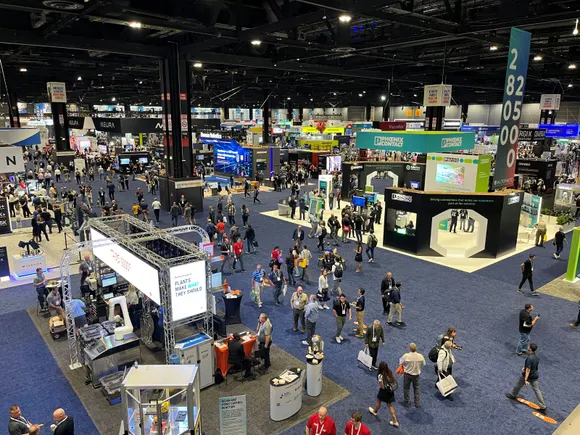
The U.S. Department of Commerce Office of Inspector General (OIG) released a final audit report on September 19, stating that the Ohio Department of Development (ODOD) failed to accurately report financial results, ensure subcontractor cost compliance, and had oversight deficiencies while managing Manufacturing Extension Partnership (MEP) grants. The report questioned $20.9 million in costs and found $2.8 million in unreported income. NIST has suspended related grants, ODOD stated it will seriously implement corrective actions, while subcontractor MAGNET disputed most of the findings.
SandboxAQ’s goal to find PFAS-free alternatives for the semiconductor industry
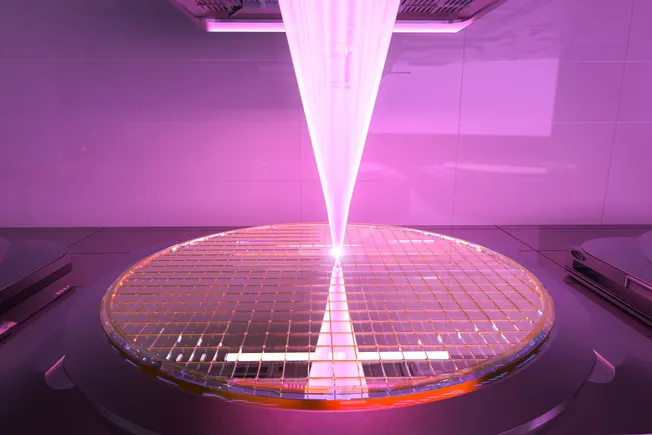
SandboxAQ is using artificial intelligence and computational physics methods to develop fluorine-free alternatives to PFAS for the semiconductor industry within 2 to 4 years. The company has received $500 million in funding from the U.S. Department of Commerce, focusing on four key areas: catalysts, rare-earth-free magnets, battery systems, and PFAS-free chemicals. Its Vice President of Engineering, Stefan Leichenauer, explained how large quantitative models (LQM) avoid hallucinations and accelerate materials discovery.

Raytheon gets $23B Navy contract to boost Tomahawk missile production
The U.S. Navy has awarded RTX subsidiary Raytheon a $22.9 billion contract to expand Tomahawk missile production, workforce, and supply chain stability over seven years.
Veolia sues Delaware manufacturers over PFAS in drinking water
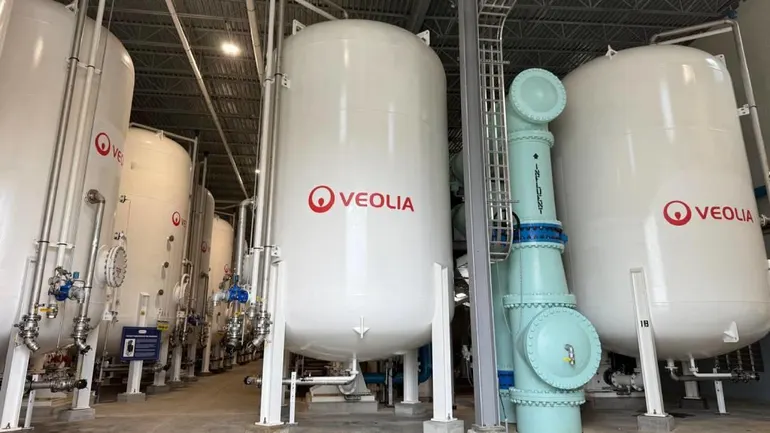
Veolia filed a lawsuit on Tuesday against current and former manufacturers at six sites upstream of its Stanton Water Treatment Plant in Wilmington, Delaware, alleging they contaminated water with PFAS. The company seeks to recover the cost of its $35 million granular activated carbon facility and ongoing maintenance expenses. The lawsuit highlights the broader legal battles over who bears responsibility for PFAS remediation.
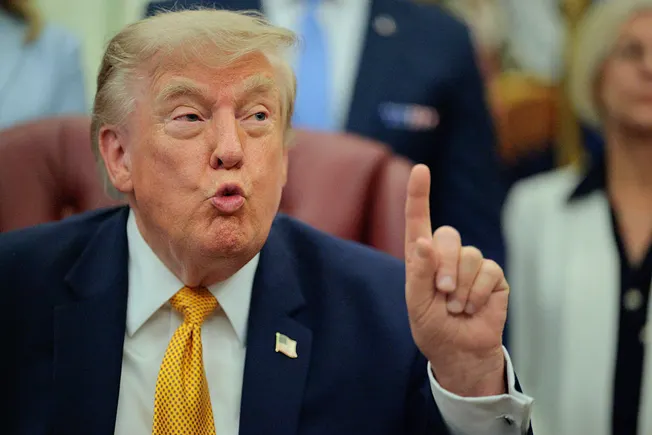
Trump imposes 15% tariff on imports of polysilicon for chips and solar panels
U.S. President Trump announced a 15% tariff on polysilicon and its derivatives, including solar cells and certain semiconductor devices, citing that imports threaten national security and undermine domestic U.S. production capacity. The tariff, implemented under Section 232, takes effect on December 4 and replaces the safeguard tariffs on solar cells and modules that expired in February. Additionally, the announcement sets a minimum import price and allows companies to obtain tariff relief by committing to build plants in the U.S.