
Trump imposes 15% tariff on imports of polysilicon for chips and solar panels
U.S. President Trump announced a 15% tariff on polysilicon and its derivatives, including solar cells and certain semiconductor devices, citing that imports threaten national security and undermine domestic U.S. production capacity. The tariff, implemented under Section 232, takes effect on December 4 and replaces the safeguard tariffs on solar cells and modules that expired in February. Additionally, the announcement sets a minimum import price and allows companies to obtain tariff relief by committing to build plants in the U.S.
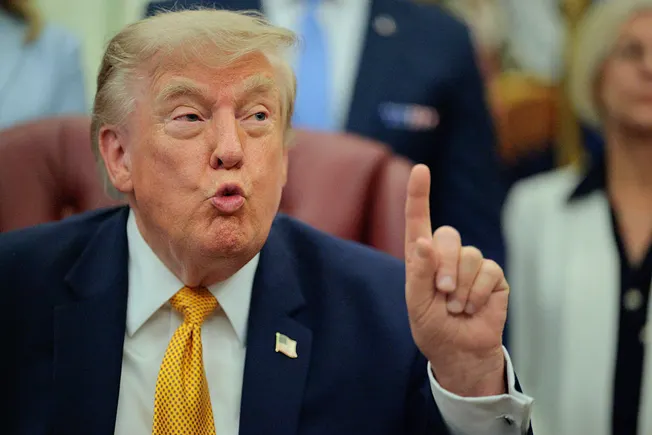
U.S. President Donald Trump will impose a 15% tariff on certain polysilicon derivative products, citing that imports pose a national security threat and stating that these imports have weakened domestic capacity in materials needed for semiconductor and solar manufacturing.
According to the announcement issued by Trump on Thursday, the tariff will take effect on December 4 and apply to polysilicon ingots and specified derivatives, including solar cells and certain semiconductor devices. Imported polysilicon and its derivatives will also be included in a minimum import price program. The full text of the announcement is available on the White House website.
This tariff, implemented under Section 232 of the Trade Expansion Act of 1962, will replace the narrower safeguard tariff on solar cells and modules that expires in February. The previous safeguard tariff dates back to Trump's first term.
For covered products from Japan, South Korea, Taiwan, Switzerland, Liechtenstein, and European Union member states, the announcement sets the combined rate of the new tariff and existing duties at 15%. Meanwhile, covered products from the United Kingdom will face a 10% tariff.
The minimum import prices set in the announcement include: $21 per kilogram for polysilicon, $100 per kilogram for polysilicon ingots and wafers, $0.22 per watt for solar cells, and $0.38 per watt for solar modules.
According to the announcement, the Secretary of Commerce may adjust minimum import prices based on market conditions or other factors affecting the fair market value of covered products.
The announcement states: "The action plan in this announcement will help ensure the commercial viability of U.S. production of polysilicon and its derivatives, which is necessary to meet U.S. economic and national security needs."
In addition to implementing tariffs and the price floor program, the announcement directs the Secretary of Commerce to establish a mechanism allowing companies to submit plans for domestic production of covered products in the United States in exchange for tariff relief. This move echoes Trump's earlier similar directive regarding aluminum tariffs.
The announcement notes that companies approved to build, renovate, or expand production facilities for covered products in the United States may be exempt from additional tariffs when importing goods and production equipment needed for facility construction, provided that companies make "sufficient progress" on their commitments. The Secretary of Commerce will determine the allowable quantity of duty-free imports based on the amount of new investment committed by the company.
The Trump administration has imposed Section 232 tariffs on multiple industries, including semiconductors previously. In January, the President signed an announcement imposing a 25% tariff on a small portion of semiconductor imports, primarily advanced computing chips. This tariff does not apply to chips imported to support the construction of the U.S. technology supply chain or to enhance domestic semiconductor derivative manufacturing capabilities.