
Boeing to Transfer Three Subsidiaries to Archer Aviation in Exchange for Minority Equity Stake
Boeing is divesting three subsidiaries—Wisk Aero, Insitu, and Skygrid—to electric aircraft maker Archer Aviation, acquiring a minority stake and agreeing to invest up to $55 million in Archer's next funding round. The transaction, disclosed in a Monday securities filing, is slated to close by the end of 2026.
Deal Overview
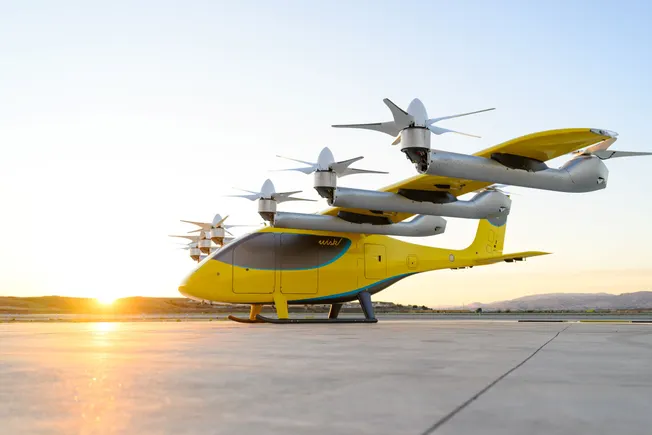
In a strategic divestiture disclosed in a securities filing on Monday, Boeing has agreed to transfer three of its subsidiaries to Archer Aviation, an electric aircraft startup, in exchange for a minority equity stake. The transaction involves Wisk Aero, a developer of electric vertical take-off and landing (eVTOL) aircraft; Insitu, a drone manufacturer; and Skygrid, an air traffic software firm. According to the filing, Boeing's stake in Archer will represent 19.75% of Class A shares, with options to acquire additional shares over the next four years.
Boeing has also committed to investing up to $55 million in stock in Archer's next funding round, with the investment to be made any time before March 31, 2027. The sale is expected to close by the end of 2026.
Strategic Rationale
The pending sale aligns with Boeing's goal to prioritize its commercial, defense, and global services segments, with a renewed focus on safety and quality in its aircraft manufacturing processes. This move follows a series of portfolio adjustments by the aerospace giant. In 2025, Boeing sold a portion of its digital aviation software business to private equity firm Thoma Bravo for $10.55 billion. The company also reacquired fuselage supplier Spirit AeroSystems for $8.4 billion, while divesting some assets to rival Airbus to satisfy global government requirements.
Boeing has also set ambitious production targets, aiming to deliver 500 units of the 737 model and between 90 and 100 units of the 787 by the end of 2026. Additionally, the Federal Aviation Administration approved Boeing's new 737-7 aircraft, clearing it for commercial service, as announced in an Aug. 3 press release.
Collaboration and Product Development
Beyond the equity stake, the agreement includes a collaborative framework for improving and developing new products, as stated by Archer's CEO and Chairman Adam Goldstein during a second quarter earnings call on Monday. Once the deal closes, Archer will own Wisk's intellectual property. Archer will share Wisk's autonomous flight technology with Boeing for use in its next-generation commercial and defense aircraft, according to a press release.
Goldstein credited Brian Yutko, vice president of product development for Boeing's commercial plane segment, for fostering the business relationship between the two companies. Yutko previously served as Wisk's CEO. In a statement, Yutko remarked, "This transaction is a win-win for Boeing and Archer. It allows Wisk, SkyGrid, and Insitu to accelerate capability development and time to market while ensuring Boeing capitalizes on its investments in these technologies over the past two decades through continued development in our core businesses."
Historical Context and Legal Resolution
The deal marks a significant shift from a 2021 lawsuit between Archer and Wisk. Wisk had sued Archer for alleged trade secret theft and patent infringement, according to court documents. Wisk accused Archer's CTO Thomas Muniz, then VP of engineering, of wiping computer activity—such as file browsing and downloading records—from a hard drive before joining Archer. Wisk also alleged that Muniz and Archer recruited Wisk employees.
In August 2023, Archer, Wisk, and Boeing reached a settlement for an undisclosed amount. The companies also entered a collaboration agreement to advance products in the advanced air mobility sector. As part of the settlement, Archer agreed to make Wisk the exclusive autonomy technology provider for new aircraft models.
Archer's Diversification and Defense Expansion
While Archer's primary focus remains electric air taxis, the company has been diversifying its aerospace portfolio to include defense applications. In July, Archer and defense startup Anduril unveiled two autonomous aircraft variants developed at the Farnborough International Airshow in England: Halo and Thunder.
Halo is an autonomous VTOL intended for commercial and defense use, primarily for cargo and rescue operations for commercial clients, as detailed in the Q2 securities filing. Thunder is a Group 5 autonomous attack drone, with a maximum take-off weight of up to 1,320 pounds and an altitude capability of up to 18,000 feet mean sea level, per the military's Joint Air Operations guidance.
Goldstein noted that the three acquisitions, particularly Wisk, will enable Archer to accelerate its Halo and Thunder programs "at a fraction of the time it would have taken us to achieve the same results organically."
The subsidiaries are also expected to bolster Archer's revenue streams. Insitu, for instance, generates over $200 million in annual revenue across 35 countries, and has built more than 4,000 Group 2 and 3 drones to date. Drones in these groups weigh between 55 and 1,320 pounds and operate at altitudes ranging from 3,500 feet above ground level to up to 18,000 feet mean sea level, per military guidance.
Goldstein emphasized the transformative impact: "That, in addition to our existing air taxi platform, our Halo/Thunder platform and aviation-focused AI solutions, will significantly change the profile for Archer and our path to meaningful revenue in the years to come. We're not just an air taxi company anymore."