
Microsoft and 3M Reach AI and Data Center R&D Collaboration
3M and Microsoft jointly announced a strategic collaboration on Wednesday to advance AI data center infrastructure and enterprise technology transformation. Microsoft Azure will deploy 3M's expanded beam fiber optic connector system in its data centers, while 3M will leverage Microsoft's AI and digital platforms to streamline processes and enhance decision-making efficiency. The two parties will also conduct joint R&D around Microsoft's data centers and device markets.
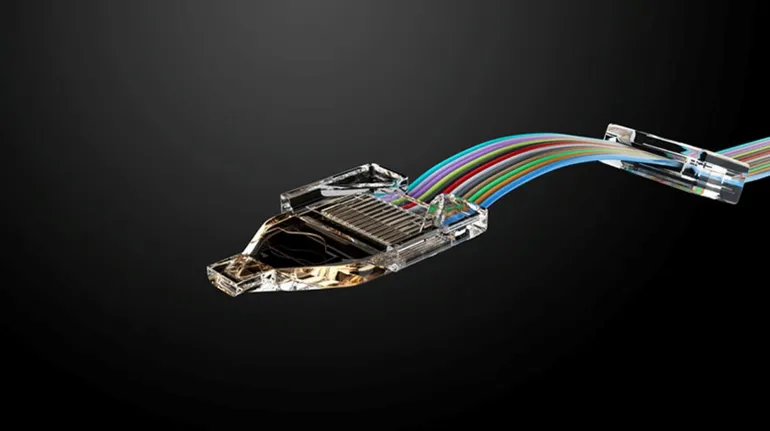
Key Takeaways
- 3M and Microsoft announced a strategic partnership focused on AI data center infrastructure and enterprise technology transformation, as confirmed in a joint press release issued on Wednesday.
- Microsoft's large-scale cloud platform Azure will deploy 3M's Expanded Beam Optical cable connector systems in its data centers.
- Meanwhile, 3M will adopt Microsoft's AI and digital platforms in its operations to streamline processes, improve decision-making, enhance customer experience, and boost employee productivity.
In-Depth Analysis
This joint initiative aims to accelerate the adoption of AI applications and improve the physical network infrastructure—such as fiber optics and coaxial cables—needed to support cloud growth and AI workloads.
Additionally, Microsoft and 3M plan to deepen collaboration in research and development, focusing on Microsoft's data centers and device markets. Beyond chemicals, 3M also produces electronic components, coatings, and adhesives.
Microsoft is currently in a phase of global data center expansion. In January 2025, the software giant announced plans to invest approximately $80 billion in AI-supportive data center construction to train large language models and deploy machine intelligence and cloud applications.
According to Microsoft's 2025 annual report, it currently operates over 400 data centers worldwide. In June, the company completed construction of its first data center in Mount Pleasant, Wisconsin, which is now fully operational, while a second data center in the state is still in progress.
Cliff Henson, Corporate Vice President of Cloud Supply Chain and Engineering at Microsoft, said in a statement: "At Microsoft, we are redefining the foundation of cloud and AI infrastructure—combining our own innovations with advancements from partners like 3M to create data centers that deploy faster, are more resilient, and can meet the demands of AI at scale."
Microsoft and 3M also co-participate in an alliance aimed at promoting open, interoperable specifications for EBO connection products in the AI endpoint market, namely the "Expanded Beam Optics Multi-Source Agreement Group" (EBO MSA). 3M joined the group in May, continuing its commitment to advancing new data center technologies through materials science, with the goal of achieving reliable connections, efficient heat dissipation and power management, and resilient infrastructure in large-scale deployments. As of July 7, the MSA has 44 members, including AMD, Foxconn, NVIDIA, Oracle, and Meta.
3M is also investing to expand its EBO manufacturing capacity. In March, the chemical giant announced plans to invest an undisclosed amount in new manufacturing equipment and production space to meet global demand for high-speed interconnect products in AI data centers.
3M CEO Bill Brown described EBO products during the first-quarter earnings call in April: "It's kind of a simple snap-on connection between peripheral components of multi-fiber devices. We can assemble it in 80% less time with lower technician training requirements; it's more reliable and can operate in dusty environments, which is why it's gaining good adoption. We've been validated by at least one hyperscale cloud provider, a second is in testing, and I expect positive results there too."
Brown also revealed that 3M received a "fairly large" order in the first quarter, and the company has entered "capacity ramp-up mode," aiming to double capacity by the end of the year.
"We are investing heavily to expand capacity and rely on other partners in this space," Brown said. "Hyperscale cloud providers won't use a single source of supply. So we must ensure dual supply channels, either by having two factories or through collaboration with contract manufacturers."