
US Metalworking Machine New Orders Reach $583.4 Million in May, Down 1.8% Month-over-Month
The latest AMT report shows that new orders for US metalworking machines in May fell 1.8% month-over-month to $583.4 million, but surged 47.8% year-over-year; cutting tool shipments during the same period declined 7.4% month-over-month and rose 15.2% year-over-year. Industry insiders point out that a shortage of tungsten carbide raw materials has driven up tool costs, while geopolitical tensions and the closure of the Strait of Hormuz have disrupted supply chains.
According to a press release from the Association for Manufacturing Technology (AMT), new orders for metalworking machine tools in the U.S. totaled $583.4 million in May, down 1.8% from April but up a substantial 47.8% year-over-year. In the first five months of 2026, manufacturing technology orders accumulated to $2.77 billion, up 31.9% from the same period in 2025.
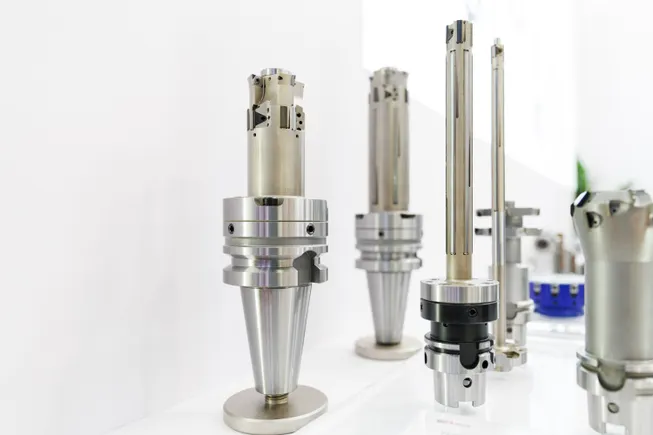
In a separate press release, AMT stated that May cutting tool shipments totaled $239.8 million, down 7.4% month-over-month and up 15.2% year-over-year; year-to-date shipments reached $1.2 billion, up 16.8% year-over-year. AMT noted that tool shipments declined for the second consecutive month after rising in February and March.
"May shipments pulled back from the previous two months, but those two months set records with extremely high bases, and shipments in nearly all reporting categories remain strong," said Jack Burley, chairman of AMT's Cutting Tool Product Group and president of tool manufacturer Big Daishowa, in a statement. He added that tools such as carbide-based drills and end mills have seen "a notable rise in unit costs, clearly indicating that the tungsten crisis—due to raw material shortages—has pushed up costs for users. The metal cutting industry's need to increase output has further strained already scarce tungsten supplies."
New orders data for metalworking machine tools come from AMT's U.S. Manufacturing Technology Orders Report; cutting tool shipment data come from the Cutting Tool Market Report, compiled jointly by AMT and the U.S. Cutting Tool Institute.
Additionally, according to the latest Purchasing Managers' Index from the Institute for Supply Management (ISM), the manufacturing sector overall expanded in June, with the machinery industry being one of five manufacturing sectors that grew. Other expanding sectors included computer and electronic products, transportation equipment, chemical products, and food, beverage, and tobacco products.
In its machine tool new orders press release, AMT stated that the war in Iran and other geopolitical turmoil "are causing significant unease for businesses and consumers." In particular, the ongoing closure of the Strait of Hormuz—a narrow maritime passage that serves as a critical shipping chokepoint for global oil and other commodities—is causing severe supply disruptions for manufacturers.
However, AMT said "strong machinery demand is cause for optimism." The association stated: "Investment in manufacturing technology indicates that manufacturers anticipate the need for additional production capacity to meet growing product demand."
AMT also noted that unit order growth continues to lag dollar order growth, partly attributable to "normal market forces affecting pricing." But the association believes that rising automation demand is a larger factor—companies are trying to increase output to match higher demand, while the manufacturing sector still has nearly 500,000 unfilled job openings.
AMT said contract machine shops, the largest industry customer of manufacturing technology, saw orders nearly 10% below their average of the previous three months. The association added that most of the recent order growth in this sector has come from the aerospace industry, a trend expected to continue. Industrial equipment demand is another bright spot, driven mainly by data center construction and related equipment needs.