
Mexico's Nearshoring Wave: A Supply Chain Shift Years in the Making
Mexico's nearshoring wave is not a short-term phenomenon but the result of years of trade agreements, industrial accumulation, and geographic advantages. In 2022, 14% of U.S. imports came from Mexico; foreign direct investment attracted by the automotive industry reached $5.4 billion in the first three quarters of 2023, surpassing any previous full-year level. Logistics companies have also increased investment, but distribution is uneven, with a few industries and states dominating.
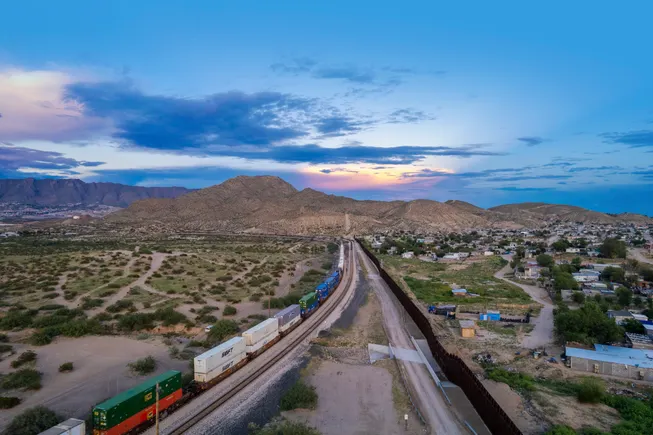
Mexico's role in the U.S. supply chain is increasingly important, and its economy is experiencing ripple effects as a result, but the benefits are not evenly distributed across regions and industrial sectors.
Experts told Supply Chain Dive that in recent years, Mexico's production of automobiles, electronics, medical devices, home appliances, equipment, and machinery has grown. These changes have occurredagainst the backdrop of companies considering nearshoring productionand have also drivenlogistics companies to increase investments in offices or freight routes。
The U.S. role in this can be seen in trade data. According to Supply Chain Dive analysis, 14% of total U.S. imports by value in 2022 originated from Mexico. Similarly, U.S. companies have long been active financially in Mexico, accounting for 42% of total foreign direct investment in Mexico since 2006.
However, these investments have historically been concentrated in a few industrial sectors and states, a trend that continues in the recent wave of nearshoring. The following provides an in-depth look at Mexico's role in the U.S. supply chain, based on expert interviews and data analysis.
6 industries dominate the main sources of manufacturing foreign direct investment across states
Automotive industry leads growth
Whether through foreign direct investment or international procurement, the automotive industry holds a disproportionate share in Mexico's top trade indicators.
In just the first three quarters of 2023, automotive manufacturing attracted $5.4 billion in foreign direct investment, exceeding any previous full-year level. For example, BMW, which has operated in Mexico for over 30 years, announced this yearan investment of $860 millionto prepare its San Luis Potosí plant for electric vehicle production. Similarly, Tesla proposedbuilding a gigafactory in Nuevo León。
Although this figure is driven by major automakers positioning to meet future electric vehicle demand, it also shows how global business dynamics lead to waves of investment in specific countries.
"A big company like Tesla also spawns a larger ecosystem to support it," said Jessica Billedo, General Manager of Mexico Operations at Arrive Logistics.
Billedo detailed that Chinese automation technology providerNoah Itechand Belgian glass supplierAGP Grouphave both announced significant investments in Nuevo León to supply Tesla.
Beyond automotive products, according to U.S. import data analyzed by Supply Chain Dive, Mexican-made products such as beverages, home appliances, electrical equipment, and medical supplies have also experienced demand growth.
Fastest-growing U.S. import sectors from Mexico
Why Mexico attracts shippers
Mexico has long been a manufacturing partner for U.S. buyers, but a series of trade advantages has enhanced the appeal of its nearshoring opportunities.
Eric Porras, Director of the MBA and MBA-GBS programs at EGADE Business School of Tecnológico de Monterrey, said the country's existing economic development and industrial maturity help attract investment. Having a broad existing supplier base means that when manufacturers arrive and settle in Mexico, the ecosystem is already in place.
Similarly, Chip Barth, Managing Director of Global Supply Chain at TBM Consulting, mentioned that a strong industrial presence makes it easier for shippers to reshore or nearshore because "knowledge, infrastructure, skilled labor, and technology may already exist in the country."
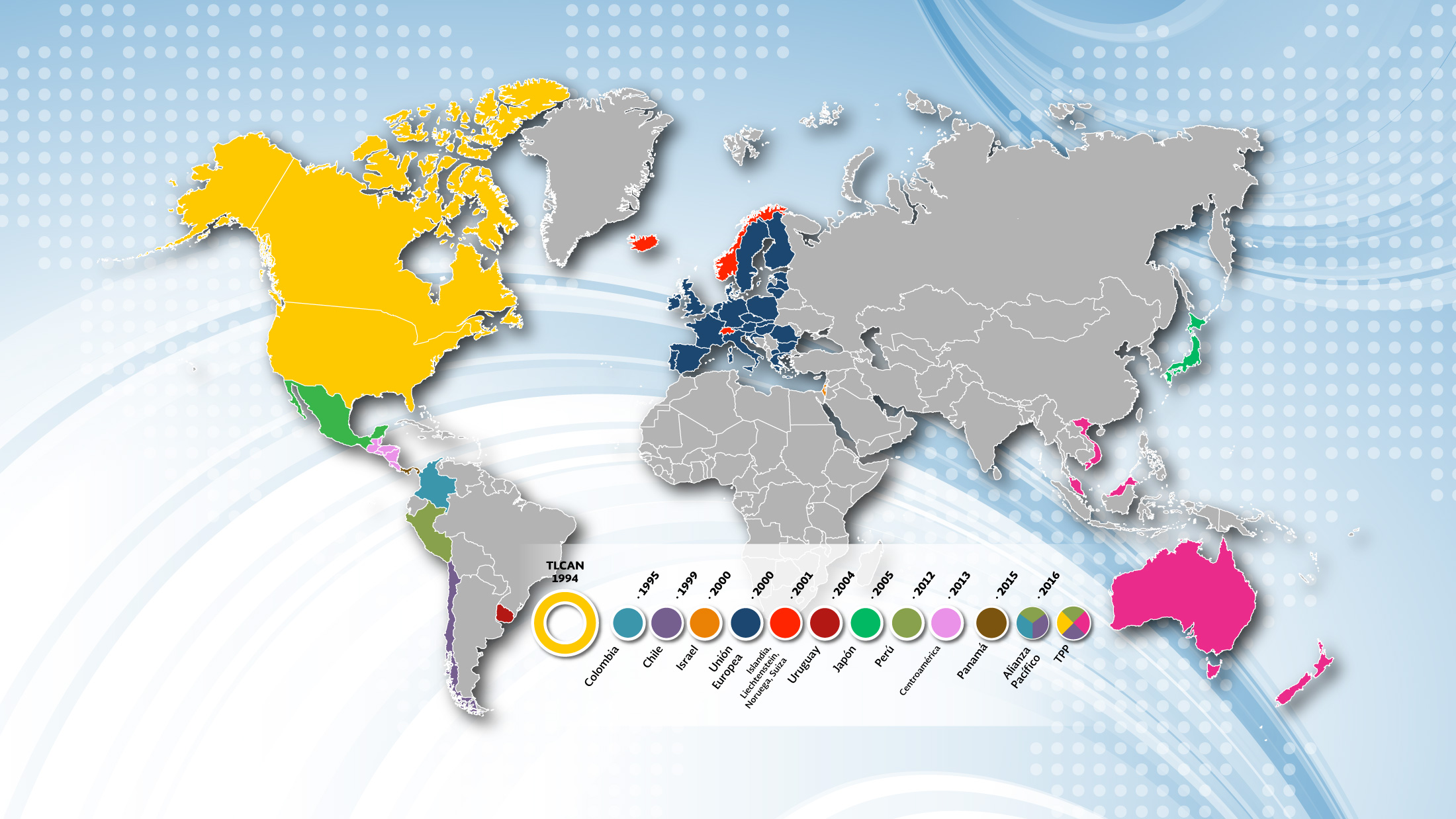
The country's global integration also helps. The United States hasfree trade agreements with 20 countrieswhile Mexico has signed 14 trade agreements with50 countriesmaking it an attractive destination for intermediate goods production. Additionally, the United States-Mexico-Canada Agreement has strengthened the country's economic integration with its North American neighbors.
"Mexico, over the years, precisely because of its free trade agreement with the United States, has built a very important manufacturing base in different industries—the automotive industry being a major success," Porras said.

During the COVID-19 pandemic, Mexico became a convenient alternative for shippers who found themselves overly exposed to Asian imports. Not only did the industrial infrastructure already exist, but Mexico's proximity to the U.S. market saved executives transportation time and costs.
"Shorter lead times mean goods reach end users significantly faster, which is crucial in today's customer-first, on-demand market," Billedo said. "The best transit time from China to the U.S. is between 20 days and six weeks, while shipping from Monterrey, Mexico, to Detroit, Michigan, takes just four days or less."
The demand for speed and agility has driven the latest wave of logistics service investments from Mexico, particularlyin rail and trucking companies. Seeing rising shipper interest, Mexican policymakers have also proposed developing a rail corridor in the southeast of the country that could potentially compete with the Panama Canal and save shippers several days of delivery time to the U.S. West Coast, Porras said.
Billedo also highlighted shippers' desire for agility in decision-making, noting that many want to improve crisis response capabilities after the pandemic.
"When factories operate in the same time zone and are only a short flight away, production management is much easier," Billedo said. "So whether it's a minor issue at the plant or a major supply chain disruption, the proximity offered by nearshoring (in Mexico) is invaluable."
Correction: This story has been updated to reflect Chip Barth's correct surname and title.
This story was reprinted from our sister publication Supply Chain Dive.Sign up here。