
Deere & Co. Reaches Settlement with FTC Over Right-to-Repair Dispute
Deere & Co. has reached a settlement with the U.S. Federal Trade Commission (FTC) and five states over a joint lawsuit. The lawsuit alleged that Deere illegally restricted farmers and independent repair providers from repairing its agricultural equipment. Under the settlement, Deere will provide farmers and independent repair shops with the same repair resources, including software tools, as authorized dealers for 10 years. The FTC stated that this move helps reduce repair costs for farmers and continues to advance right-to-repair protections.
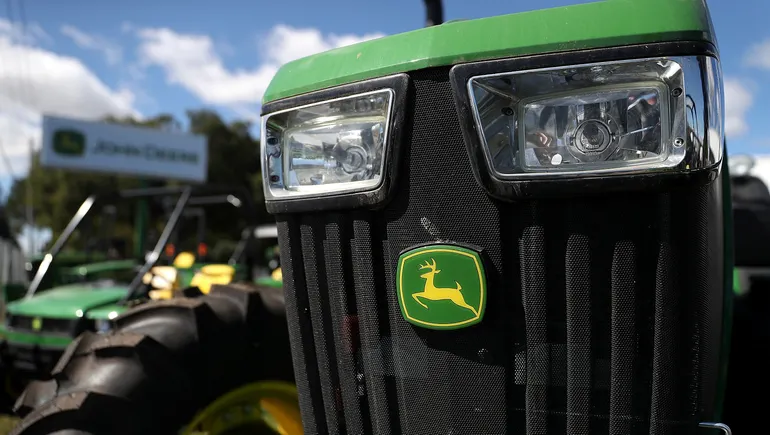
Deere & Co. and the U.S. Federal Trade Commission (FTC) have reached asettlement agreementto resolve ajoint lawsuitfiled against Deere by the FTC and five states. The lawsuit alleged that Deere illegally restricted farmers and independent repair providers from repairing Deere agricultural equipment.
Under the terms of the settlement, the tractor manufacturer agreed to provide farmers and independent repair shops with the same equipment repair resources (including software) currently available to authorized Deere dealers. The FTC stated in apress releasethat the requirement is effective for 10 years, and the FTC and the plaintiff states (including Illinois, Arizona, Michigan, Minnesota, and Wisconsin) will oversee its implementation.
“Today's settlement allows farmers to repair their tractors and other agricultural equipment themselves, as they have for generations, without having to pay authorized John Deere dealers to do it for them,” said Daniel Guarnera, Director of the FTC's Bureau of Competition, in a statement on Wednesday. “The settlement with Deere will help lower costs for American farmers. The FTC will continue to combat anticompetitive restrictions on repair rights for American consumers.”
According to the FTC, Deere is the only manufacturer of software repair tools capable of performing all electronic repairs on Deere equipment. However, the company has historically allowed only its authorized dealers to use these tools, “forcing farmers to rely on authorized dealers for many necessary repairs,” the FTC said.
As a result, “Deere illegally acquired and maintained monopoly power in the market for repair services of Deere agricultural equipment,” the agency said. This practice allegedly led to service delays and increased repair costs for farmers.
The repair services Deere must provide to farmers and independent repair shops include: reading, clearing, and resetting electronic fault codes; reprogramming electronic components; restarting machines after emissions-related shutdowns; and accessing and searching technical manuals and other information.
The company, headquartered in Moline, Illinois, must also provide any repair resources it offers to more than 50% of its authorized dealers in the future to farmers and independent repair providers as well. Additionally, the company must inform its authorized dealers of the availability of these resources and make this information available to the public.
“This settlement is good news for our customers and for the future of how Deere equipment is supported,” said Denver Caldwell, Vice President of Aftermarket & Customer Support at Deere, in a statement. “Producers and equipment operators need flexible, world-class capabilities to maintain and repair their machines; we are and will continue to deliver on that expectation.”
In recent years, Deere has faced multiple “right-to-repair” lawsuits. These lawsuits stem from consumers' desire to repair their own products (from phones to tractors) rather than relying on authorized dealers or original manufacturers.
New lawshave attempted to address this issue. However,right-to-repair advocatessay there is still more work to be done as products become more technologically advanced and more difficult for consumers and independent repair shops to work on.
In April of this year, Deereagreed to pay $99 millionto settle a federal class-action lawsuit alleging it conspired to monopolize its repair services market. The settlement applies to people who purchased large equipment from Deere since January 10, 2018, and paid authorized dealer repair costs.