Deep Dive
来自我们记者的行业洞察

Climate Risk Raises Commercial Property Insurance Costs: Five Strategies for CFOs to Cut Costs
Climate change is intensifying extreme weather, and commercial property insurance costs in the United States rose 15% last year, the largest increase in over three decades. CFOs need to reassess risk tolerance, strengthen collaboration with insurers, increase disaster prevention investment, explore innovative products such as parametric insurance, and make good use of data analysis tools to control insurance spending in a "seller's market."
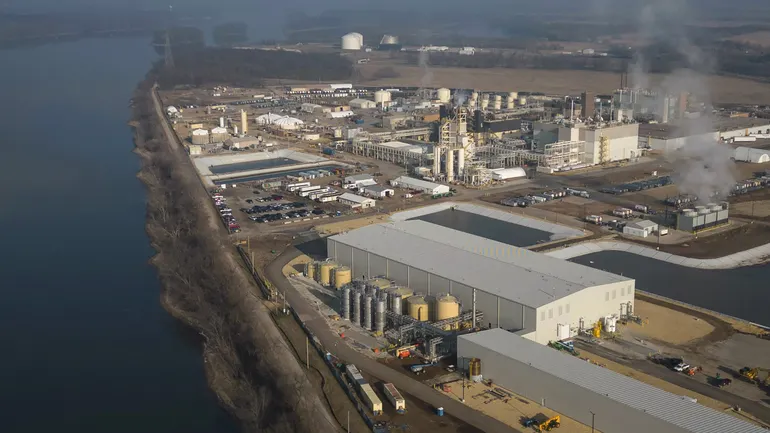
The History of PFAS: From World War II to the 'Forever Chemicals' in Non-Stick Pans
PFAS (per- and polyfluoroalkyl substances), discovered in the 1930s, have been widely used in industry and consumer products due to their water-resistant and durable properties, but only came under regulation in the early 2000s. This article reviews their evolution from the World War II atomic bomb project to non-stick pans, and mentions related lawsuits and health risks.

Electric vehicle sales rise, why are automakers still anxious?
Latest data shows that U.S. electric vehicle sales reached a record 313,086 units in the third quarter of 2023, a year-over-year increase of 49.8%, but automakers are postponing or scaling back electrification investments. Slowing market growth, intensifying price pressures, and high raw material costs are causing anxiety beneath the surface of industry prosperity.

Manufacturing Labor Gap: How Veterans Can Become a Key Supplementary Force
The U.S. manufacturing industry faces approximately 627,000 job vacancies, while over 200,000 veterans enter the civilian labor market each year. This article, using Army veteran Jakob Lejman's employment at Hino Motors as an example, combined with industry expert analysis, explores the match between veterans' skills and manufacturing positions, practical barriers in recruitment, and how companies can open talent channels through professional organizations and training programs.

How AI is reshaping pharmaceutical production processes
Medivant Healthcare produces 20,000 single-dose injectables daily, and its AI visual inspection equipment is about to replace manual quality checks. Although AI holds great potential in quality control, process optimization, and compliance management, cost, data infrastructure, and regulatory uncertainty remain major obstacles. The FDA is seeking to balance encouraging innovation with ensuring safety through discussion papers, emerging technology programs, and workshops.
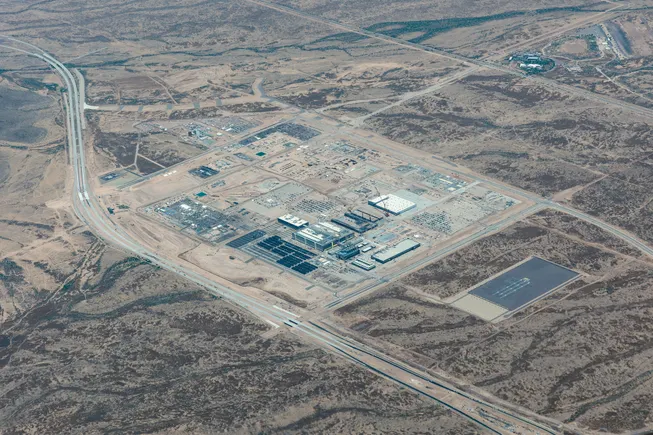
Surge in labor demand for manufacturing megaprojects, labor shortage becomes a hidden concern
In 2020, chip giant TSMC selected a site in the Silicon Desert of Arizona for its $40 billion semiconductor plant, but three years later it faces a worker shortage. Industry data shows that similar situations are widespread, and labor shortages may hinder the manufacturing construction boom.
A Second Chance: How an Indiana Program Breaks Down Manufacturing Employment Barriers
Delaware County, Indiana probation officer John Bush launched the Jump program in January, aiming to reduce recidivism and alleviate labor shortages by helping individuals with criminal records enter local manufacturing. The program has attracted 23 businesses, filling over a quarter of more than 400 positions, and has expanded to other industries.

The garment manufacturing industry urgently needs technological upgrades: traditional models face challenges
The garment manufacturing industry has long relied on outdated processes such as manual labor and fax machines, facing difficulties including a labor gap, high costs, and insufficient technology investment. The pandemic exposed supply chain weaknesses, driving the adoption of AI and data analytics, but automation in core processes like sewing remains fraught with challenges.