
Deep Dive
来自我们记者的行业洞察
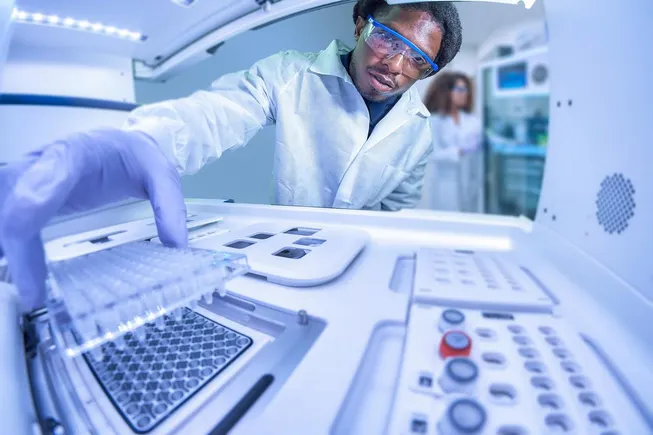
Embracing continuous manufacturing in the pharmaceutical industry
Continuous manufacturing has been used for decades in industries such as food, but its adoption in pharmaceuticals has been slower. With FDA encouragement and investment from drug companies, this technology is gradually transforming supply chains. This article analyzes its definition, benefits, regulatory barriers, and practices at companies like Thermo Fisher and Pfizer.
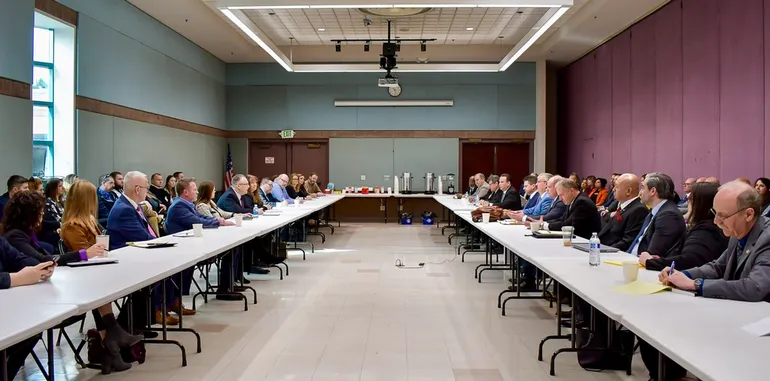
Boeing labor negotiations in trouble: union advantages highlighted
After experiencing a safety scandal, Boeing's negotiations with the IAM union have reached a deadlock. The union has demanded a 40% wage increase, and experts point out that Boeing faces multiple crises, giving the union an advantage.
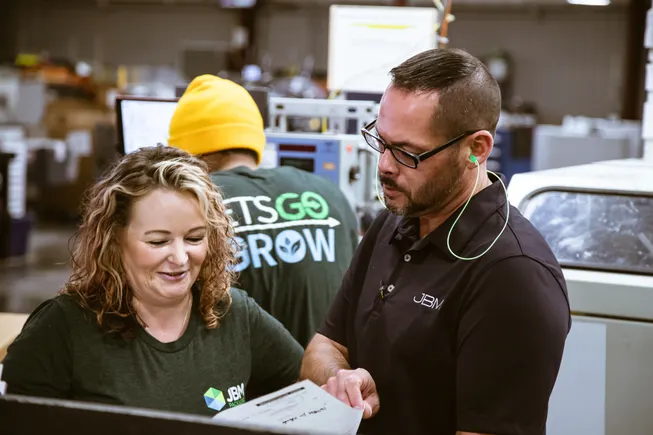
Second-Chance Hiring: A Viable Path to Alleviating Manufacturing Labor Shortages
Amid persistent labor shortages, the U.S. manufacturing sector is witnessing a surge in "second-chance" hiring. At JBM Packaging in Ohio, about one-third of employees come from such programs, and its president credits this approach with supporting company growth. Data from Indiana's HIRE program shows that related interventions are associated with reduced recidivism rates. Experts emphasize that success requires comprehensive support, including soft skills training and life coaching, and recommend that companies seek external partnerships.

Why is female participation in the automotive manufacturing industry still low?
The automotive manufacturing industry has long been dominated by men, with women underrepresented at all levels. 2020 data shows that women accounted for only 24% of the industry's workforce, while in the same year, women made up 62% of new car buyers in the United States. Experts believe that a lack of an inclusive culture, poor career advancement channels, and insufficient work flexibility are the main reasons for the loss of female talent. Against the backdrop of the electric vehicle transition and factory expansion, automakers are attracting and retaining female talent through measures such as diversified recruitment, career development programs, and flexible work arrangements.
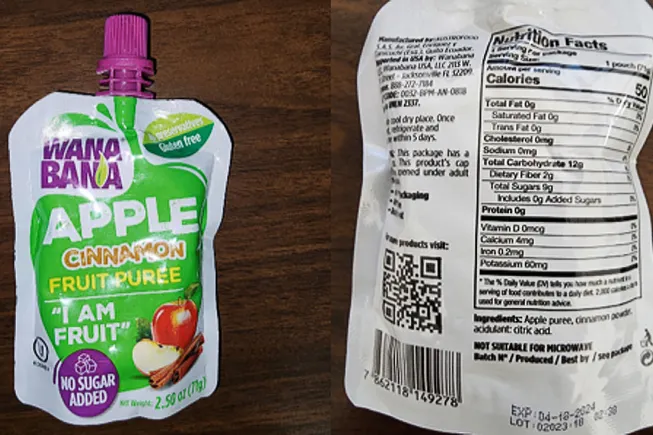
FDA traces WanaBana lead contamination incident to a single cinnamon processor in Ecuador
Last fall, children in multiple U.S. states developed lead poisoning symptoms after consuming applesauce from brands such as WanaBana. An FDA investigation found that the source of contamination pointed to Ecuadorian cinnamon processor Carlos Aguilera, whose supplied cinnamon was contaminated with lead during processing. The incident exposed limitations in the FDA's oversight of overseas supply chains and prompted the agency to consider strengthening related testing and inspections.
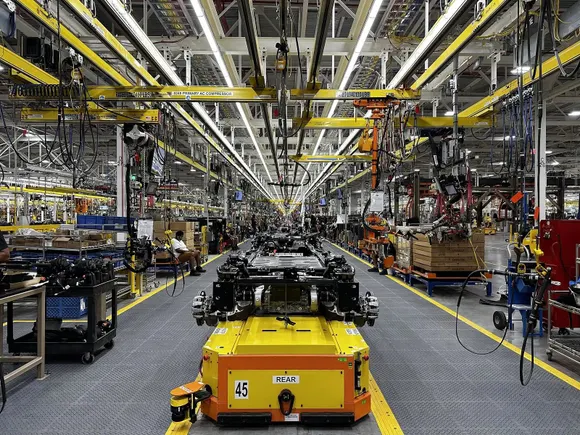
UAW New Contracts Win Major Victory for Future EV Battery Plants
In 2019, General Motors closed its Lordstown, Ohio plant, laying off about 1,500 workers; in 2022, Ultium Cells, a joint venture battery plant between GM and LG Energy Solution, opened there with an hourly wage of $15.50, only half of the top wage for assembly workers. In 2023, new contracts reached between the UAW and the Big Three allow laid-off workers to transfer to battery plants and bring them under the master agreement. Experts note that the biggest impact of the new contracts on automakers and their joint venture partners may be rising costs, while unionization will put pressure on battery manufacturers regarding wages and benefits.
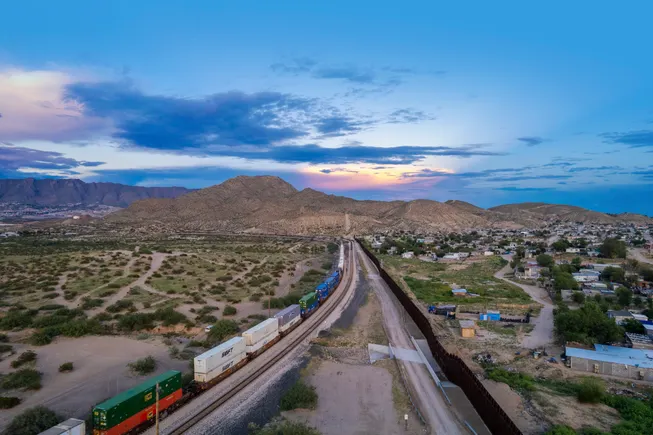
Mexico's Nearshoring Wave: A Supply Chain Shift Years in the Making
Mexico's nearshoring wave is not a short-term phenomenon but the result of years of trade agreements, industrial accumulation, and geographic advantages. In 2022, 14% of U.S. imports came from Mexico; foreign direct investment attracted by the automotive industry reached $5.4 billion in the first three quarters of 2023, surpassing any previous full-year level. Logistics companies have also increased investment, but distribution is uneven, with a few industries and states dominating.
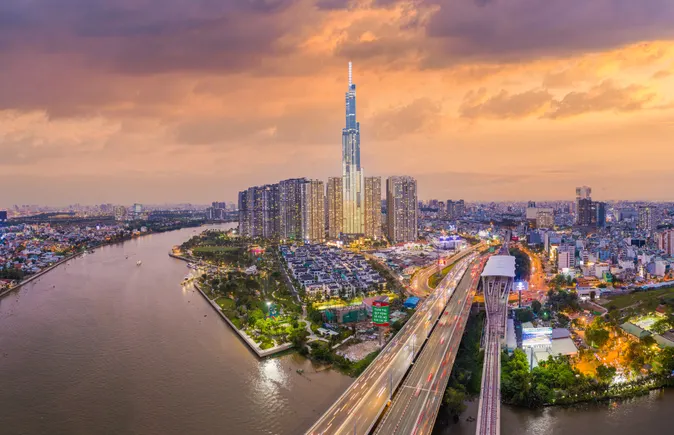
Amid the Wave of Supply Chain Restructuring, Why Has Vietnam Become a New Hotspot for Manufacturing Investment?
As trade tensions between China and the United States persist, Vietnam, leveraging advantages such as labor costs, tax incentives, and free trade agreements, is attracting global semiconductor and electronics manufacturing giants to accelerate their expansion.

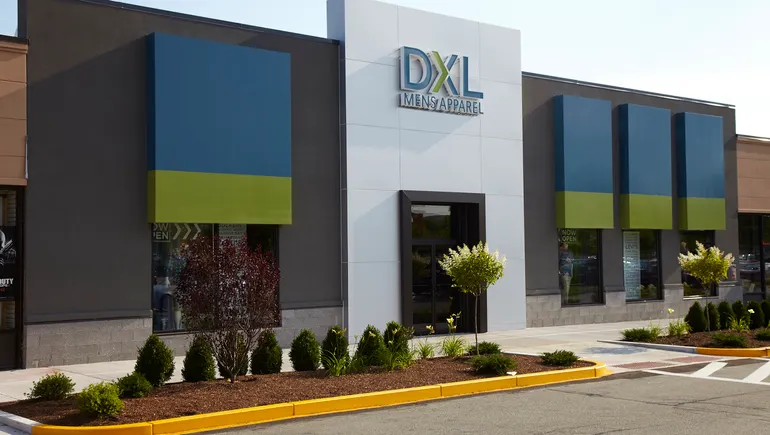
Nearshore Apparel Production: DXL Group's Supply Chain Strategy Shift to Central America
Since 2018, DXL Group has gradually reduced sourcing from China and shifted to nearshoring in Central America to shorten lead times and enhance supply chain resilience. Despite challenges such as costs and rules of origin, the company continues to expand its production footprint in Nicaragua, Mexico, and other locations.